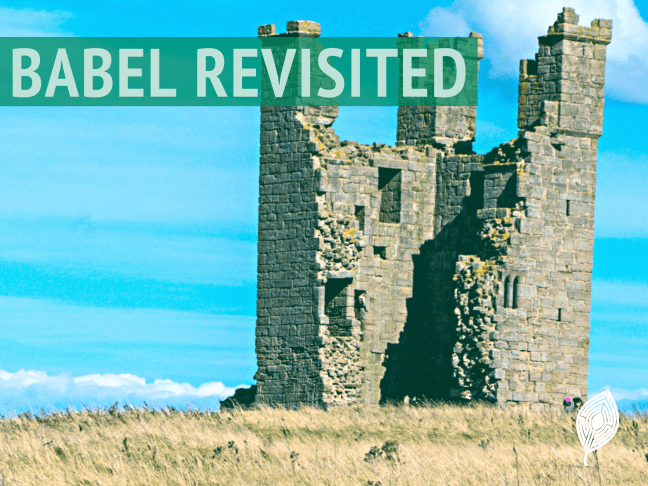
There's a strange story in Genesis 11 that goes like this: The peoples of the earth, wanting to gain fame and power, decide to build a tower that stretches up all the way into heavens. But God confuses their speech, so their venture fails and they scatter across the earth. The whole story of the … Continue reading Babel Revisited
Happy Pentecost! It's a brilliant, beautiful feast. And it's also an important feast for us, this year more than ever. But, before I begin, I have two confessions to make: I came to the readings weary from a week of horrible, frightening, heart-rending news, searching for words of peace and comfort. I didn't find them. … Continue reading Winds of Change (A Reflection for Pentecost 2020)
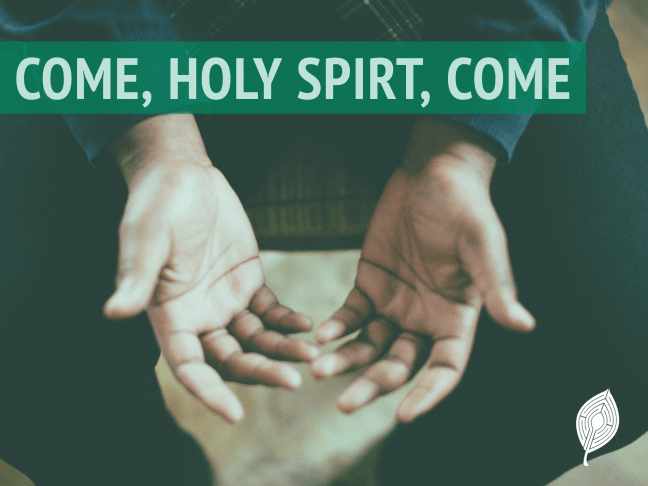
The weather here in Toronto has finally turned. After a long and unusually cold Spring, warmth has finally returned. Suddenly, almost as though someone flipped a switch, all that greening potential in the trees and flowers that had just been a blush of colour has exploded into full view. Gone are the drab greys and … Continue reading Come, Holy Spirit, Come
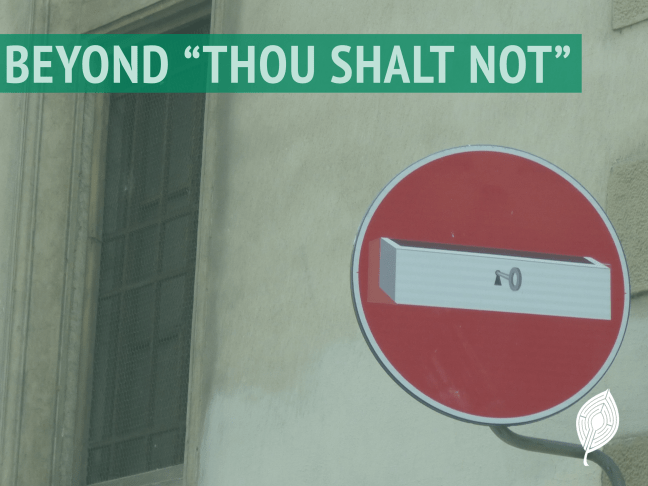
A few weeks ago, when I was feeling particularly worn down by the stresses and sorrows of this pandemic year, I turned to my favorite book of contemporary spirituality, The Discerning Heart, by Wilkie Au and Noreen Cannon Au. In the Introduction, they talk about why they feel spiritual discernment is more important today than … Continue reading Beyond “Thou Shalt Not”
Well, friends, today this long series on knowing God comes to end. We've covered a lot of ground since November. In the first post in this series, I described why I feel this is important, and it seems as good a place to begin today's reflections as any: No matter what spiritual language I was learning or dialect … Continue reading Beginnings and Endings: Concluding Thoughts on Knowing God