
Two thousand years ago, the Apostle Paul wrote a letter to the churches in Rome. This letter turned out to be one of the most widely studied, debated, and influential books of the Christian Scriptures. It is equal parts insightful and confounding; it opens up the heart and yet remains resistant to being opened up itself.
I’ve spent much of my adult life keeping this letter at a bit of a distance, burnt by the intense debates about it from my seminary days. But, in recent years I’ve been finding myself increasingly drawn back to this challenging book and its powerful message of reconciliation — not only between God and humanity but also between people who don’t think they have common cause. This message is badly needed in a world that feels more profoundly ungracious and divided than ever, and in a Church that continually trips itself up with its own divisions, rivalries, and ‘us’ vs. ‘them’ thinking.
And so, we need Romans.
We need Romans despite its strangeness, despite its complicated argument structure that makes it so easy to get lost in the weeds, despite Paul’s notoriously poor writing, and despite the centuries of over-study of the book that has rendered it in many quarters little more than a warehouse of opposing proof-texts. We need Romans despite how it’s been abused and turned into a theological manual or an evangelistic how-to guide. And we need it despite — and because of — the parts of it that make us uncomfortable.
There are so many reasons why I don’t want to undertake this project. And yet, the fact remains: we need — I need — this book more than ever. And so here I go.
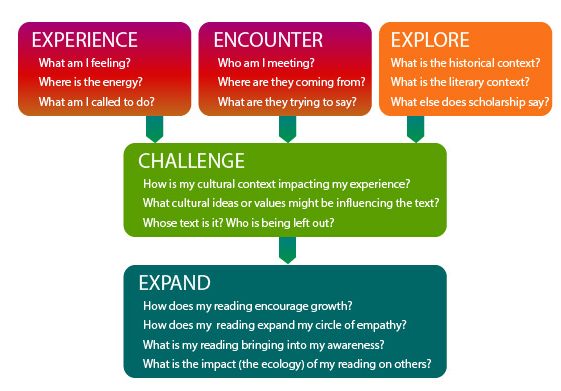
For this series, I’ll be using my Integral Hermeneutic method, which is designed to cover all the bases: the personal experience of the text, the people or characters we meet in the text, the systems and structures the text interacts with, and the insights of history, linguistics, and biblical scholarship writ large.
I hope you’ll join me throughout the Summer as I tackle this challenging, but beautiful and transformational letter.


One thought on “Our Common Cause – An Integral Study of Paul’s Epistle to the Romans: Introduction”